Employee Retention Strategies: How to Attract and Retain Employees
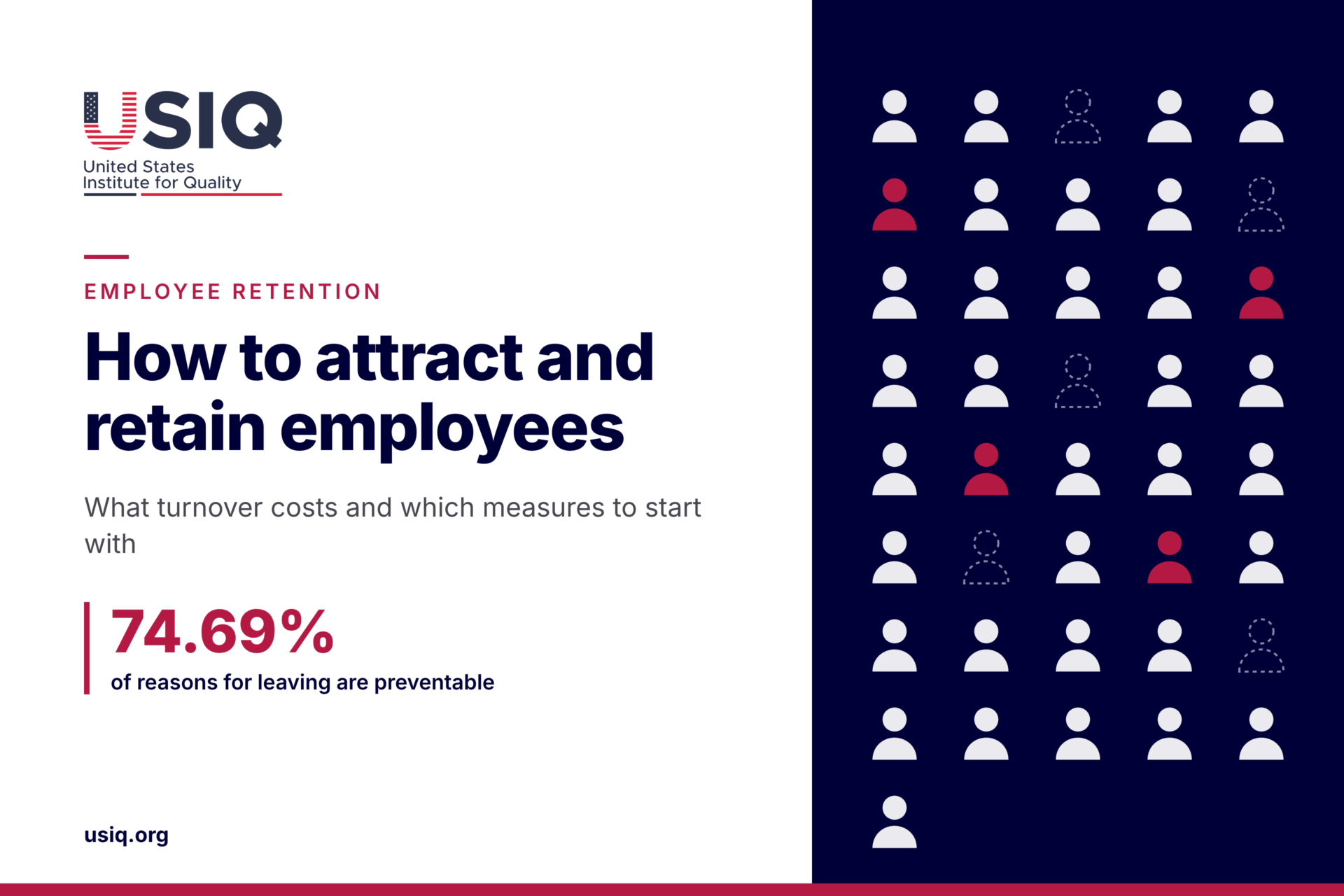
Hiring is only half the job. This guide shows small and mid-sized U.S. employers what turnover costs, why people leave, which fixes to start with, and how to measure progress.

Hiring is only half the job. This guide shows small and mid-sized U.S. employers what turnover costs, why people leave, which fixes to start with, and how to measure progress.
A practical question bank for employers with 10 to 250 employees: what to ask, how to word it, which scale to use and which questions to leave out. It also covers anonymity, timing and what to do with the results.
Which customer survey questions are worth asking, and how do you build a short survey that people finish? This guide gives exact wording, metric formulas, length data, bias rewrites and the basic U.S. legal points for small and mid-sized employers.
Which qualities make an employer great, and which ones actually keep people? A data-based look at managers, pay, growth, benefits and stability, with practical steps for small and mid-sized U.S. employers.
What makes a company an attractive employer, and what can a 10 to 250 person business do about it without a branding team? U.S. data on pay, managers, flexibility and pay-range laws points to practical steps and simple measures.
A seal of approval can help a small or mid-sized employer stand out, but only if the issuer is independent and the claim holds up in daily work. This guide explains how seals work, how to vet them and what the FTC expects.
Gen X, Millennials and Gen Z work side by side in most U.S. companies, but birth year explains less than many managers assume. This guide covers the correct birth years, shared needs, practical steps and age-discrimination basics for employers with 10 to 250 employees.
Employer awards recognize workplace practices, and they can raise a company's appeal to applicants. This guide covers the types, the evidence, how to judge credibility and how to promote an award without legal risk.