
- What Is Content Marketing for Employers?
- HR Content vs B2C Content
- Why Trust Signals Matter in Employer Content
- Certifications as Content Proof
- SEO, Careers Pages & Social Media
- Measuring Success of Employer Content Marketing
- Common Mistakes U.S. Employers Make with Content Marketing
- Conclusion: Content Marketing: Hiring System, Not Promotion
Content marketing is no longer just a marketing tool for selling products. In the United States, its use has developed into a powerful hiring tool. Employers are stepping away from these simple job ads and stepping towards real stories about what it is like to work for them. Today’s job seekers desire more than a job title and salary. They want to know about the people, values, and culture behind the role.
Before applying, many candidates do research about employers online. To see if this is true, they frequent career pages, read employee stories, check social media, and look for signs of trust. According to LinkedIn, three-quarters of job seekers evaluate an employer’s brand before even applying for a job.
This shift means content tends to play a major role in the hiring decisions. Blog posts, videos, employee stories, and leadership messages help job seekers determine if a company is the right fit for them or not. When content is clear and honest, it leads to confidence. When it’s absent or vague, candidates can be free to move on to another employer.
For US employers, content marketing is a hiring asset that lasts a long time. Unlike job ads that vanish once a role has been filled, good content continues to work. It attracts talent in the long term, assists recruiters, and builds employer reputation. Good content also helps to reduce hiring costs by attracting better-fit candidates who already have some familiarity with the company itself.
In this guide, we will explain how trust signals form the employer content, why certifications provide proof, and how SEO, career pages, and social media combine. You will see how content marketing is helping US employers to build trust, grow their brand, and create great pipelines of talent that last.
What Is Content Marketing for Employers?
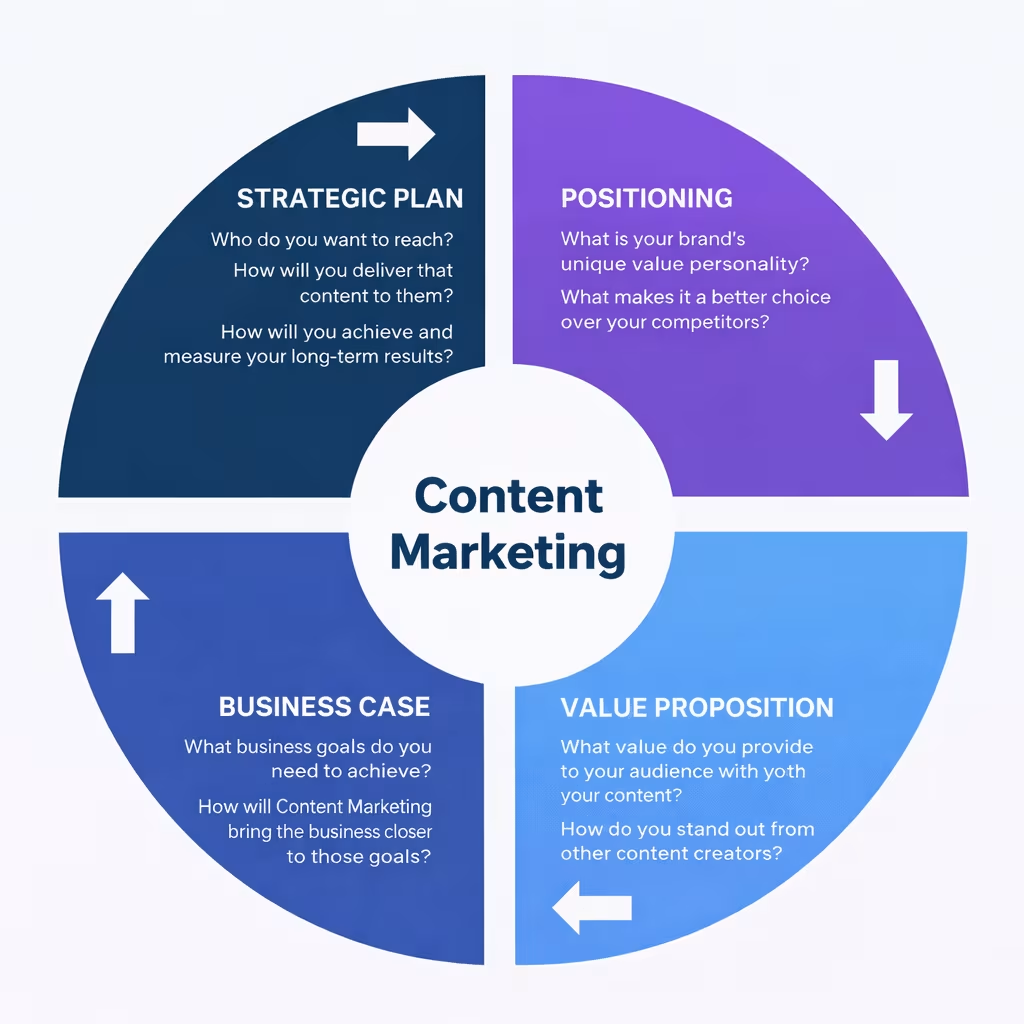
Content marketing for employers – how companies use stories, information, and real examples to show you what it is like to work for them. It is primarily focused on establishing such a trust with job seekers and employees. Unlike product marketing, it is people, culture, and values-oriented, and not about selling products or services.
Types of Employer Content
Employer content includes many types. One of the most important is the careers page. This is usually among the first places that job seekers visit. A strong careers page explains the company’s values, work environment, and growth opportunities in straightforward and truthful terms.
Another powerful kind of content is employee stories. These include interviews, short videos, or written stories describing real experiences of people who work at the company. They assist job seekers in visualizing themselves in the role.
Culture and values explain how the company treats its employees and what the company stands for. This may contain information about teamwork, fairness, flexibility, or learning opportunities.
Leadership messages are also important. When leaders convey their clear and honest messages, it is a sign of accountability and direction. This helps build confidence amongst the job seekers and present employees.
What Employer Content Marketing Is Not
Employer content marketing is not only job ads. Job postings are important, but they only explain open roles. They fail to describe what working at the company really involves.
Nor is it promotional fluff. Fancy words and high promises without proof can damage trust. Job seekers can be quick to notice when content does not match reality.
Employer content marketing is not a one-time effort. Posting the content once and leaving it at that does not work. Trust is built over time through consistent, honest communication.
Why It Matters in the US Hiring Market
In the US, job seekers expect transparency. They want clear answers about culture, leadership, and work expectations before applying.
Many candidates make decisions based on reputation more than on pay. Content helps to build that reputation. When the employer’s content is clear, real, and consistent, it will attract better-fit candidates and support long-term hiring success.
For US employers, content marketing is not optional. It is a major component of establishing trust, brand strength, and stable talent pipelines.
HR Content vs B2C Content
HR content and B2C content are for different audiences and purposes. Confusing the two can prevent some trust and diminish results. US employers need to understand how they are different and how they can work together.
Purpose of HR / Employer Content
The human resources or table of contents (employer content) is intended for current employees and job seekers. The primary purpose of its use is talent attraction. It helps the right candidates understand what the company is like and whether they should apply.
Trust building is another important objective. Employer content demonstrates how the company treats people, its vision for growth, and its core values. This trust also helps with retention. When employees feel the company message and actions align with where they are, they are more likely to stay.
Purpose of B2C Content
B2C content is directed at customers. Its goal is sales, conversions, and brand awareness. It describes products or services, answers customer questions, promotes, and makes purchases.
While trust is important in B2C content, it is not the customer’s experience in the workplace or buying decision.
Key Differences
The greatest difference is the audience mindset. So, job seekers desire honesty, stability, and fairness. Customers demand value, quality, and a solution.
Tone also differs. Employers need to feel like humans and be credible. Overly polished or sales-heavy language can cause trust to be hurt. Success measures are also different. HR content is measured by application quality, retention, and engagement; B2C content is measured by leads, sales, and revenue.
Employees are trusted almost twice as much as CEOs in terms of sharing information about a company, according to Edelman, and this is why the feeling of company content being real and people-driven must be present.
Where They Can Support Each Other
Even though the goals differ, there should be alignment between HR and B2C content. Shared values, tone, and messaging help establish brand consistency. With the same story supported by employer and customer content, trust is built among candidates and customers.
Why Trust Signals Matter in Employer Content
Trust is one of the most important factors in employer content. Job seekers don’t take claims by employers at face value. They seek out indications of a company that is honest, fair, and real. Lack of trust negates even high job offers.
Why Job Seekers are Skeptical of Employer Claims
Many people who are looking for a job have witnessed companies overpromising. Phrases such as “great culture” or “growth opportunities” abound, but are often unclear or unproven. And when expectations don’t meet reality, trust is quickly broken.
Public reviews also play a big role. Employees are freely sharing their experiences on review websites and social media. According to Glassdoor, 86% of job seekers do their research by reading company reviews and ratings before deciding where to apply for a job.
This level of transparency requires that the content of employers must be honest and based on real experiences.
What Counts as a Trust Signal
Trust signals are bits of content that make job seekers feel confident. One of the strongest signals is a real employee’s voice. When employees tell their own stories, it is easier to believe than it would be a company-written message.
Clear policies are another signal of trust. Content to explain work expectations, growth path, and fairness demonstrates openness.
Verifiable information is also important. Awards, certifications, and clear facts help candidates to trust what they are reading.
Content That Builds Trust
Behind-the-scenes stories to help job seekers see the real work life. These stories depict teams, routines, and daily experiences.
Day-in-the-life content is particularly useful. It provides answers to the unspoken questions of workload, teamwork, and balance.
Honest leadership communication is also what helps build trust. When in a leadership role, speaking clearly and admitting challenges demonstrates accountability and respect.
Risk of Low-Trust Content
Low trust content leads to candidate drop-off. When content seems artificial or unclear, job seekers drop by and don’t apply.
It can also damage the reputation. Once trust is lost, it is difficult to rebuild. For US employers, trust signals are not optional. They are essential in attracting the right talent and protecting long-term employer brand value.
Certifications as Content Proof
Certifications help move employer content from claims to credibility. In the US hiring market, job seekers are prudent and informed. These don’t just depend on what companies really say about themselves. Certifications affix proof by demonstrating that the employer’s practices have been reviewed by an independent source.
What Certifications Contribute to Employer Content
Certifications offer independent verification. This means a third party audits workplace practices, policies, and experience. Because the review is external, it carries more trust than internal messaging.
They are also the ones to turn the promises into proof. Instead of saying “we value our people,” certifications demonstrate that standards are actually met. This makes employer content more powerful and more believable.
Why Certifications Increase the Weight Credibility of Content
Certifications eliminate self-promotion bias. Job seekers expect companies to have a good image, and therefore look for outside confirmation. Certifications provide such confirmation.
In addition, they create confidence for candidates. According to Edelman’s Trust Barometer, 62% of people report that they trust businesses more when they are supported by independent verification.
This shows why verified proof is more important than marketing-speak.
How Certifications are used in Content
Certifications are often put on careers pages, where candidates first judge the credibility. These serve as fast trust-signals.
They are also used in blog posts and employer stories to underpin claims around the values of culture, fairness, and engagement. In recruitment campaigns, certifications help to make content stand out by adding authority, not hype. Mid-section positioning of Employer Branding Certification helps build trust when candidates are considering whether to keep going.
Certification as a Differentiator in America
In the US, top talent has many choices. Certifications are a way to help employers stand out at the beginning. They build trust at first impression, and eliminate hesitation. For employers, credentials enhance content, credibility, and long-term talent pipelines when they help to prove – and not merely state – the quality of the workplace.
SEO, Careers Pages & Social Media
SEO, careers pages, and social media are the ways for the employer’s content to be visible to the right people. Together, they enhance visibility and achieve hiring goals nationwide.
SEO for Employer Content
SEO helps job seekers find the employer’s content through search engines. Many candidates research company names, reviews, culture, and careers before applying. Employer branding keywords help to match this search intent.
Content freshness is also important. Updated pages, new stories, and recent posts indicate that the company is active and transparent. Fresh content helps build trust and improve long-term search visibility.
High-Impact Careers Pages
Careers pages are one of the most important employer content assets. They should clearly explain the reasons why anyone should want to work at the company. This includes values, opportunities for growth, and the work environment.
Proof points matter. Employee stories and certifications, along with clear policies, give candidates a reason to trust what they are reading. Simple navigation is the key too. Job seekers should be able to quickly and clearly find out about roles, benefits, and culture.
Social Media in Employer Branding
Social media extends employer content beyond the website. It enables companies to share real stories, updates, and employees’ voices.
Content driven by employees is particularly effective. It is more honest and relatable to see posts created or shared by employees than corporate messages.
According to CareerBuilder, 75% of job seekers use social media in their job search, underscoring the importance of employer content being visible and consistent across platforms.
For each platform, however, the purpose is different. LinkedIn is a platform that supports professional updates, while other platforms focus on culture and day-to-day work-life.
Content Consistency Across Channels
Employer content should have a single cohesive story, even if it is being communicated in numerous ways. Mixed messages confuse candidates and undermine trust.
Consistent tone, values, and proof across SEO content, careers pages, and social media help job seekers feel confident. For US employers, channel alignment makes content a powerful, long-term hiring asset.Bottom of Form
Measuring Success of Employer Content Marketing
Employer content marketing should be business results-oriented. Measuring the right metrics helps employers in the U.S. understand what’s working, what needs improvement, and how content helps achieve hiring goals. Without measurement, content becomes guesswork rather than an asset for hiring.
Talent-Focused Metrics
One of the most significant ways to measure success is through hiring results. The quality of applications is more important than quantity. Strong employer content attracts candidates who understand the company and are a better fit.
Time-to-hire is a second important measure. When content clearly explains culture, expectations, and values, candidates progress through the hiring process more quickly. Recruiters spend less time explaining the basics, and the hiring decision is made earlier.
Acceptance rate of offers is critical, too. Candidates having a trusting employer content are more confident in saying yes. Clear, honest information helps minimize hesitation and second-guessing during the offer stage.
Engagement Metrics
Engagement metrics help us understand how people interact with employer content. Page engagement, such as time spent on page, careers pages, or blog posts, can help determine whether content is useful and clear.
Social interaction is another clue. Likes, comments, and shares are indicators that content is connecting with the audience. Employee-shared content is often the best because it has the ring of truth.
Content shares are particularly powerful. When individuals share employer content, it increases reach and builds credibility through personal connections.
Reputation Indicators
Reputation metrics indicate long-term impact. Employer reviews on public platforms reflect how content aligns with the real employee experience. Positive trends indicate compatibility of the message and reality.
Another good indicator is referral growth. Employees are more likely to endorse others through referrals if they feel proud of where they work and believe in the employer brand.
Together, these metrics help employers to measure ROI. When monitored over time, employer content marketing becomes a trusted system for building trust, resulting in better job candidates and improved reputations.
Common Mistakes U.S. Employers Make with Content Marketing
Many employers in the United States use content marketing and fail to achieve great results in hiring. In most cases, it is not effort – it is the way the content is planned and used. Clear structure and focus can avoid these mistakes.
Treating Employer Content Similar to Advertising
One popular pitfall is writing employer content similar to that of a sales ad. Overly polished language, big promises, and vague claims lower trust. What job seekers seek is honesty, not slogans. When content seems forced or exaggerated, candidates often leave without applying.
Relying Only on Job Postings
Another mistake is to focus only on job ads. Job postings explain roles, but there is no explanation of culture, leadership, or day-to-day work life. Employer content should help to answer real questions of growth, support, and expectations.
Inconsistent Content and Messaging
Posting content once and walking away does not work. Trust is built over time. The varying messaging across careers pages, blogs, and social media can confuse the candidate and harm the employer’s reputation.
Ignoring SEO and Visibility
Some employers develop good content that no one sees. Without SEO, job seekers cannot find it. According to HubSpot, companies that post regular blog content see 55% more website visitors than companies that do not.
Not Measuring and Improving
Many employers don’t keep track of results. Without data, it is difficult to determine what content is attractive to quality candidates. Engagement, referrals, and application quality are just a few of the metrics that should inform improvements.
Not Acting on Feedback
And the most damaging mistake is to ignore feedback. When employees and candidates call out differences between what is said and what exists, trust plummets. Acting on feedback helps the content remain honest and effective.
Avoiding these mistakes helps employers to support hiring, trust, and long-term growth.
Conclusion: Content Marketing: Hiring System, Not Promotion
Content marketing for employers is not about promoting and selling an image. It is an overtime-hiring system. Unlike job ads, which cease to exist when a job is filled, great content remains attractive and builds trust, facilitating hiring decisions long after it was published.
The key motive of this system is trust. Job seekers want the truth; they want to see real life, and they need proof. When an employer’s quality in terms of content (real employee voices), expressed values, and constant actions is evident, candidates are more confident in their application. Trust eliminates doubt and allows employers to attract the people who are really a good fit for the job and culture.
Certifications strengthen this trust. They are there as proof – not marketing language. Certifications indicate that employer claims have been searched and proven by an independent source. This makes content more credible, helping employers stand out in a crowded U.S. job market.
For those U.S.-based employers, it is important to invest in content marketing as quickly and regularly as possible. Waiting till hiring based on the urgency of hiring limits the results. Companies that develop content over time build stronger talent pipelines, reduce hiring costs, and improve long-term outcomes.
When content, trust signals, and certification work together, the result for employer branding is not just messages. It becomes a reliable system to support hiring, reputation, and growth year after year.

Related Articles
What research says about the effects of employer seals on current employees, potential applicants and employer image, from independent experiments and field data to the limits of the evidence.
Employee experience and customer experience are linked, but the link is weaker and more conditional than popular slogans suggest. This article reviews the evidence on staffing, training and workplace conditions and shows how employers can test the connection in their own business.
Most HR dashboards show too many metrics and trigger too few decisions. This guide defines ten employee experience metrics, shows a one-page layout and explains how to read your numbers against U.S. data.
A practical guide to calculating marketing ROI for small and mid-sized U.S. companies, including long B2B sales cycles, offline leads, a spreadsheet walkthrough and common errors.